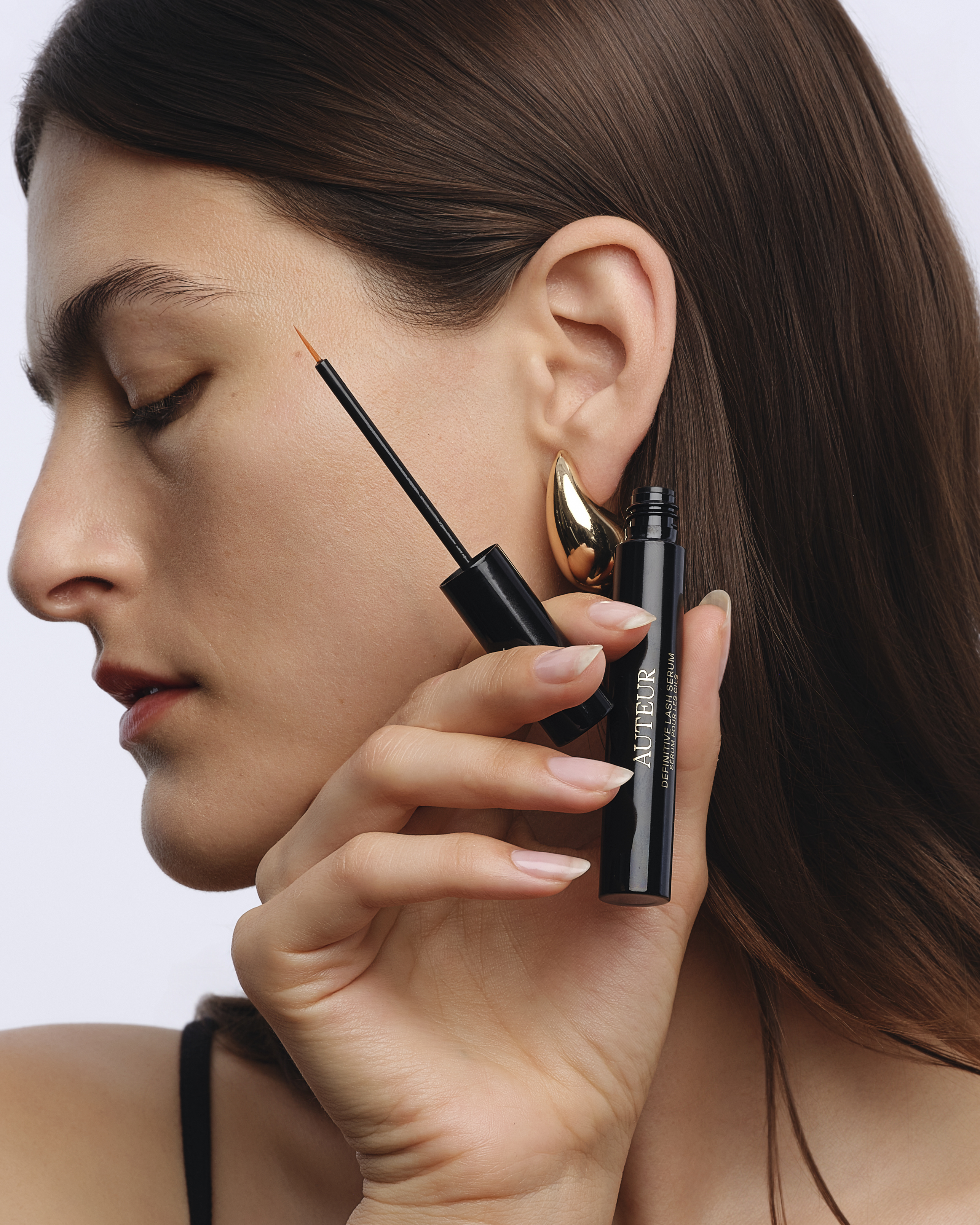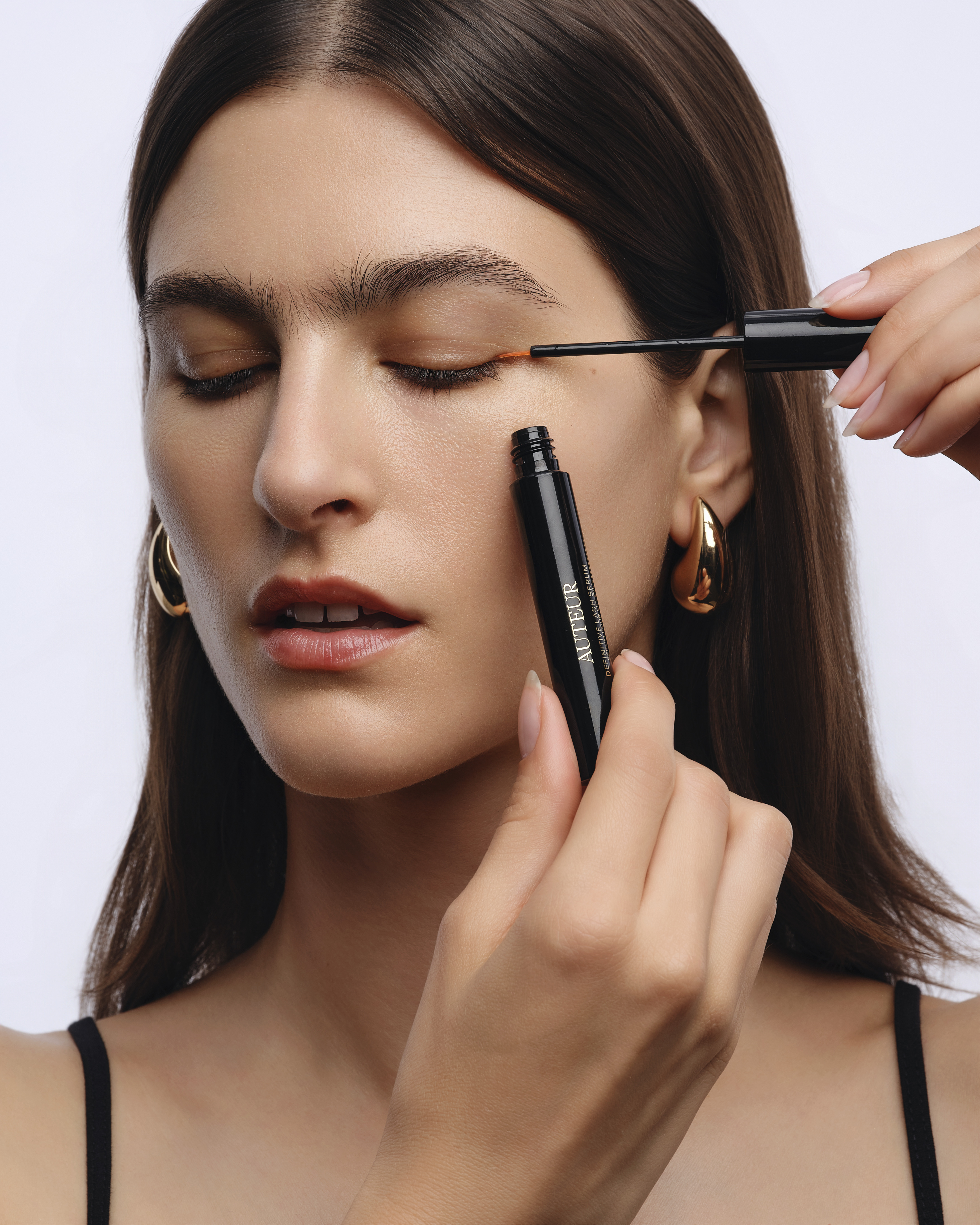
Beauty brand storytelling has shifted its center of gravity, and it now rests on a single word: the ingredient. A buyer who once asked what a cream promised now asks what is in it, and then asks the internet whether that is any good. The hero ingredient has become the place where belief is won or lost, which means the brands that thrive are the ones that understand a simple truth. An ingredient earns its place in the imagination as a story long before it earns it as a molecule.
This is not a softening of standards. It is the opposite. The buyer is more literate than ever about actives and mechanisms, so the story cannot be decorative. It has to be accurate, evidenced, and still moving. The brands that get this right do not choose between science and narrative. They use narrative to make the science land, and that is the craft this piece is about.
Why Ingredients Became the Story
A decade ago, most beauty buyers shopped by brand and benefit. They wanted firmer skin or fewer breakouts, and they trusted a name to deliver it. That has changed. The buyer now reads the ingredient list first, recognizes the actives by name, and forms an opinion about the formula before she has any feeling about the brand at all. The unit of trust has moved down the page, from the logo to the ingredient.
Several forces pushed it there. Ingredient research became a mainstream habit, with shoppers treating skincare as a proactive routine rather than an occasional rescue. The skinification trend carried named actives such as niacinamide, retinol, and hyaluronic acid into adjacent categories and into everyday vocabulary, so that an ingredient is now something people search for, compare, and discuss. The molecule became a character in its own right.
- 85% Share of consumers in one market who say beauty brands should provide more scientific evidence for claims (Mintel)
- 14% Masstige sales growth across channels in 2025, led by ingredient-forward, results-driven products (Circana)
- $62B Projected global skincare market by 2027, up from roughly $45B in 2022 (McKinsey)
Read together, these signals describe a buyer who wants substance and rewards the brands that supply it. Demand for evidence is high, ingredient-forward products are growing, and the skincare category itself is expanding. Therefore the ingredient is not a passing fixation. It is the new front door, and the story you tell at that door decides whether the buyer comes in.
Key insight: The ingredient list is no longer the fine print. For the modern beauty buyer it is the headline, which means your hero ingredient is doing the first and most important act of your storytelling whether you have written it or not.
Anatomy of a Hero Ingredient Narrative
If the ingredient is the story, then the story needs structure, because an ingredient stated is not an ingredient understood. A percentage on a label informs. It does not persuade, and it does not stay. A hero ingredient narrative is what turns a name on a list into a reason to believe, and the durable ones tend to share the same four parts.
From a name on a list to a reason to believe
- Origin. Where the ingredient comes from and why this source. Provenance gives the molecule a sense of intention, the feeling that a choice was made rather than a box ticked.
- Mechanism. What it actually does, explained so a non-scientist can follow it. Clarity here reads as confidence; obscurity reads as something to hide.
- Proof. The clinical evidence that the mechanism holds. This is the part the skeptic checks, and it is the spine that keeps the story from being a fairy tale.
- Meaning. What changes in the buyer's life when the ingredient does its work. This is the part that makes the story memorable rather than merely correct.
The order matters less than the completeness. Drop origin and the ingredient feels generic. Drop mechanism and it feels mysterious in the wrong way. Drop proof and it collapses under a literate buyer's scrutiny. Drop meaning and you have a technically accurate story that no one remembers, which in a crowded category is the same as no story at all.
A percentage tells the buyer what is in the bottle. A story tells her why it should matter to her face.
Most brands manage two of the four parts well, usually mechanism and proof, and wonder why the result feels flat. The flatness is the missing origin and meaning. Those two are what carry the ingredient from the analytical part of the buyer's mind into the part that actually decides, and a complete narrative is the one that reaches both.
When Science Needs a Storyteller
There is a fear, common among founders with real scientific substance, that storytelling will cheapen the science. That a narrative is a softening, a concession to people who cannot handle the data. This fear gets the relationship exactly backward. Story is not the enemy of evidence. Story is how evidence reaches a human being who is not obligated to read your white paper.
Consider what the buyer is actually navigating. She is literate but not a chemist. She wants proof but does not have a laboratory. She is being asked to convert a clinical claim into a personal decision about her own skin, and the gap between a study result and a felt belief is enormous. The storyteller's job is to bridge that gap without distorting what is on either side of it.
Good ingredient storytelling does not add fiction to science. It adds clarity, sequence, and stakes. It decides what to say first, which analogy makes the mechanism legible, and what the result means in a life. The facts do not change. Their reach does.
This is also where the demand data becomes a creative brief. When Mintel reports that large shares of consumers want more scientific evidence behind beauty claims, the instruction is not simply to publish more studies. It is to make the evidence comprehensible and emotionally resonant, because evidence the buyer cannot follow is evidence she cannot trust. A storyteller is how rigorous science becomes believable science.
The risk runs in both directions, which is the point. Science without a storyteller stays inert, admired by experts and ignored by the market. A storyteller without science produces something worse, a beautiful narrative with nothing under it, which a literate buyer detects and resents. The brands that endure pair the two on purpose: real evidence, told by someone who knows how to make it land. You can see that pairing in our AUTEUR case study, where the science was genuine and the storytelling existed to carry it, not to cover for its absence.
Building an Ingredient Story That Lasts
A story that wins attention at launch is not the same as a story that holds for years. The category moves fast, ingredients trend and fade, and a narrative built only on novelty ages badly. The goal of ingredient storytelling is not a campaign. It is an asset, something the brand can stand on long after the launch noise has faded. A few principles keep it durable.
Anchor the story to a truth, not a trend. If your hero ingredient narrative depends on being the ingredient of the moment, it expires when the moment does. Anchor it instead to something true about the ingredient and your reason for choosing it, and the story keeps working when the trend moves on.
Keep one ingredient heroic. The temptation is to promote every active to a lead role, but a story with five heroes has none. Choose the ingredient that carries your point of view and let the others support it. Focus is what makes a narrative legible and repeatable.
Make the story consistent across every surface. The hero ingredient should be told the same way on the product page, in the campaign, on the carton, and in the founder's voice. When the story is consistent, each touchpoint reinforces the others and belief compounds. When it drifts, the buyer senses improvisation, and improvisation reads as doubt.
Let the meaning evolve while the facts stay fixed. The mechanism and the proof do not change, and they should not. But the meaning, the part about what the ingredient does in a life, can deepen as you learn more about the people who use it. That is how an ingredient story stays alive for years without ever becoming dishonest.
Therefore the brief for ingredient storytelling is not to dramatize a molecule. It is to give a real ingredient a complete, evidenced, human story and then to tell that story with discipline everywhere the brand appears. Do that, and the hero ingredient stops being a line on a label and becomes a reason the buyer believes, returns, and tells someone else. For the wider context your buyer is moving through, our overview of 2025 beauty and wellness trends pairs well with this one.
Creative Direction and Content at 9 Birds Creative. A hero ingredient is only as strong as the story around it. We build the origin, mechanism, proof, and meaning into one coherent narrative, then direct the content that carries it across every surface a buyer touches. The work turns your most important active into your most persuasive asset, without ever outrunning the evidence. See Our Creative Direction Work
References
1. Mintel (2025). Global Beauty and Personal Care Trends and US Ingredient Trends in Beauty. Mintel, research on consumer demand for scientific evidence and ingredient-led beauty.
2. Circana (2025). U.S. prestige and mass beauty nine-month 2025 performance, masstige growth across channels. Circana, beauty industry market reporting.
3. McKinsey & Company (2023). The beauty market in 2023: A special State of Fashion report, skincare category projections to 2027. McKinsey & Company, retail and consumer insights.
4. Euromonitor International (2024). The Rise of Ingredient-Led Beauty. Euromonitor International, beauty and personal care analysis.